Boost your points on Arcus and Entropy: the SanDisk delta-neutral
Our best play right now: a SanDisk long and short of the same size, one leg on Arcus, the other on Entropy. You farm both programs without being exposed to the price. The step-by-step, the costs and the traps.
The essentials
This content is general information, not investment advice (NFA, DYOR). A delta-neutral position isn't risk-free: each leg can be liquidated.
Our links: Arcus and Entropy. These are referral links: they cost you nothing and support the site.
Why SanDisk, and why these two DEXs
- On Arcus, SanDisk is a stock: it benefits from the "stocks and RWA pairs" boost in the points system. And since trading points follow the fees paid, every trade counts there.
- On Entropy, io:SNDK is the most liquid market: about $22M in daily volume and a 0.03% spread, according to one farmer, for near-zero fees while growth mode is active.
- The same asset on both sides: that's the condition for a true delta-neutral. SanDisk is available on both platforms.
What you need before starting
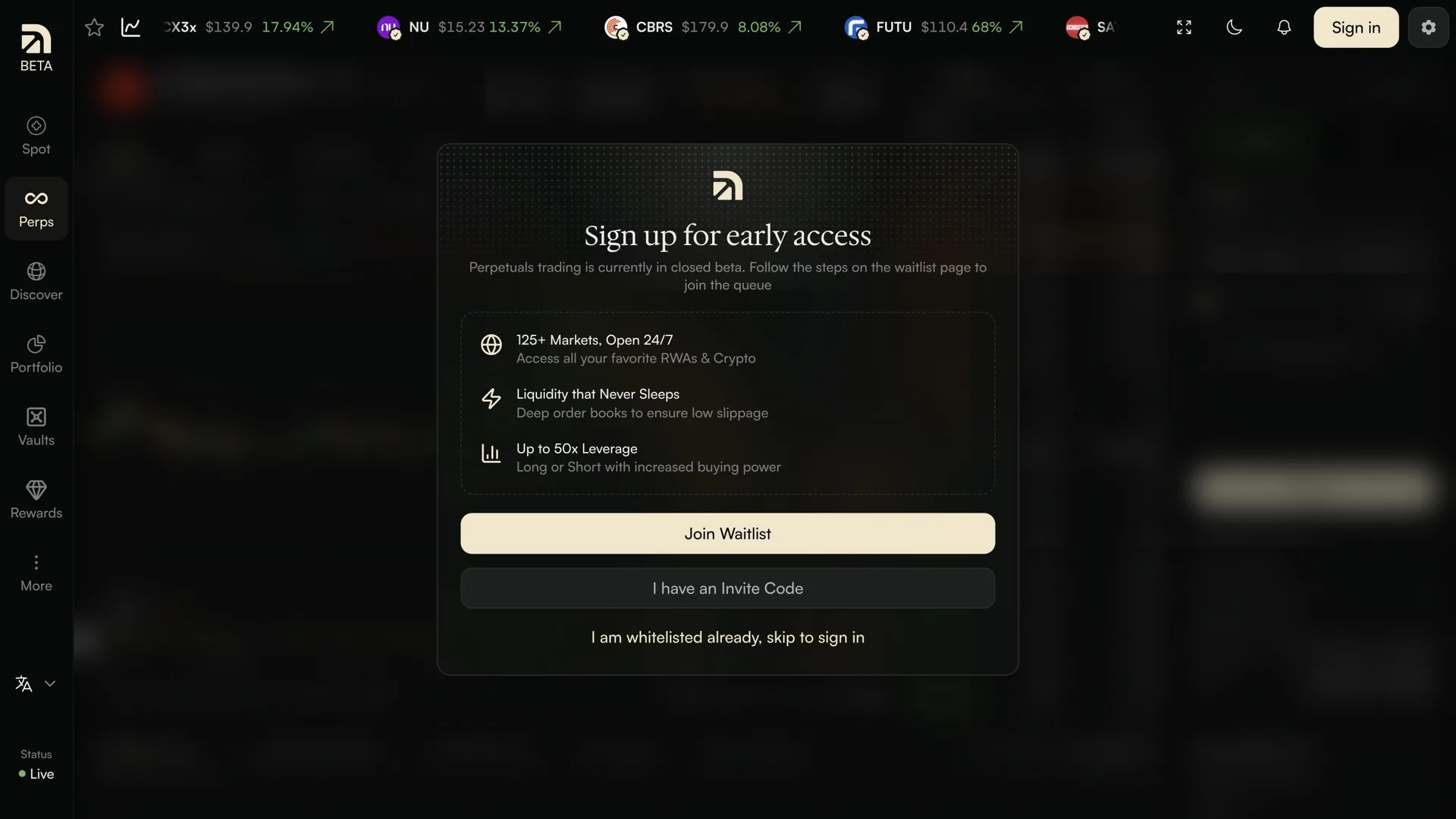
- Access to Arcus perps: they're still on a waitlist. Sign up, free invite codes are sometimes shared on our X, or build spot volume in the meantime (see our Arcus guide).
- An Entropy account: it's your Hyperliquid account, with USDC (see our Entropy guide).
- USDC on both sides, plus a reserve outside both platforms to top up a margin.
Step 1: choose the side based on funding
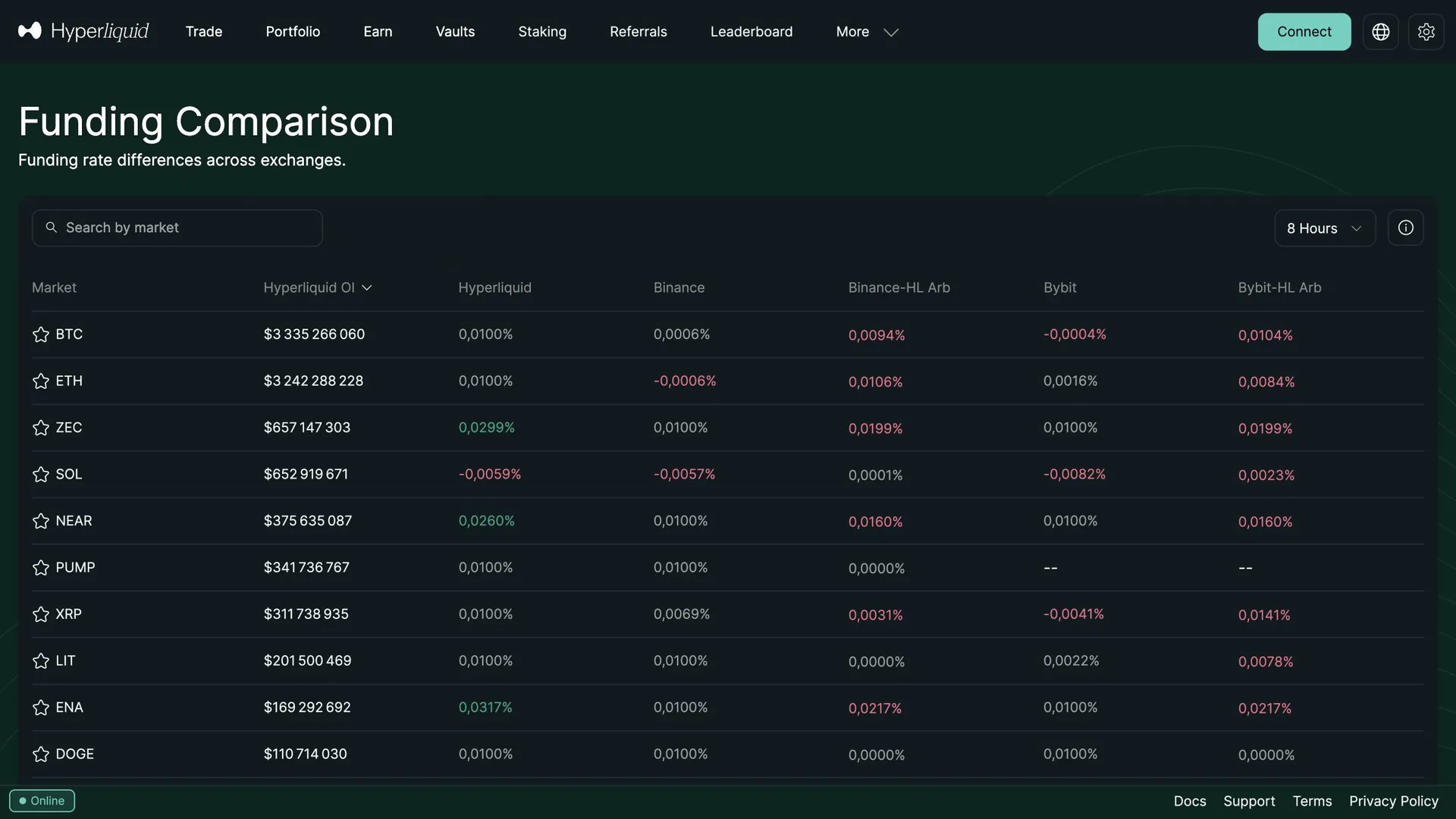
Compare SanDisk's funding on both platforms when you open.
- The long goes where funding is lowest (or negative): you pay less, or even get paid.
- The short goes where funding is highest: you're the one collecting it.
Funding changes: check it again whenever you reopen a position.
Step 2: set the size and leverage
- The same notional size on both legs, for example $5,000 on each side.
- Leverage between 1x and 2x per leg. At 2x, you need $2,500 of margin on each side.
- Write down each leg's liquidation price before opening.
Step 3: open both legs
- On Entropy, with a post-only limit order: it's almost free (about 0.003%). Check that the ticker starts with io:.
- On Arcus, as soon as the Entropy leg is filled: a market order costs 0.0225% there during the beta, but those fees earn trading points.
- Check that both sizes are identical once both orders are filled.
Step 4: hold and monitor
- Two to three checks a day: each leg's margin, the price gap between the two platforms, funding.
- Evenings and weekends: trading outside US market hours is boosted on Arcus. But on Entropy, SanDisk's price stays locked in a band outside market hours: rebalancing may be limited there until the market reopens.
- If one leg gains a lot, take part of the profit to top up the other leg's margin.
Step 5: generate volume regularly
On Arcus, points follow the fees paid. You can reduce and then reopen your position from time to time, on both sides at once, to generate volume while staying hedged. Keep a natural pace: positions held for several hours or days, not round trips every minute.
What it costs
Example for $5,000 per leg, opened then closed:
| Leg | Volume | Rate | Fees |
|---|---|---|---|
| Entropy, maker (growth mode) | $10,000 | 0.003% | about $0.30 |
| Arcus, taker (beta) | $10,000 | 0.0225% | $2.25 |
Funding comes on top, and can cost you or pay you depending on the side you chose. On Arcus, those fees are precisely what generates trading points.
The risks
- One leg getting liquidated: each leg has its own margin. If one is liquidated, the other stays open on its own and you're exposed to the price.
- Off-hours gaps: when the US market reopens, the price can jump all at once. With low leverage, both legs absorb the shock; with high leverage, one can be liquidated.
- Auto-deleveraging (ADL): in a crisis, a platform can forcibly close your winning leg.
- Two young platforms: Arcus is in beta, Entropy launched in August 2026.
- No guaranteed reward: Arcus has confirmed a token with no date or allocation, Entropy hasn't announced points.
Checklist
- Arcus perps access and an Entropy account with USDC.
- Each leg's side chosen based on funding.
- Same size, leverage between 1x and 2x, liquidation prices noted.
- Maker on Entropy (io: ticker), taker accepted on Arcus for the points.
- Checks two to three times a day, USDC reserve ready.